

Your small business news reporter
Provided by AGP
Heritage Metal Roofing Responds to Metro Detroit Long Term Roof Replacement Demand After Winter
Metal Roofing Contractors Serving Sterling Heights and Metro Detroit
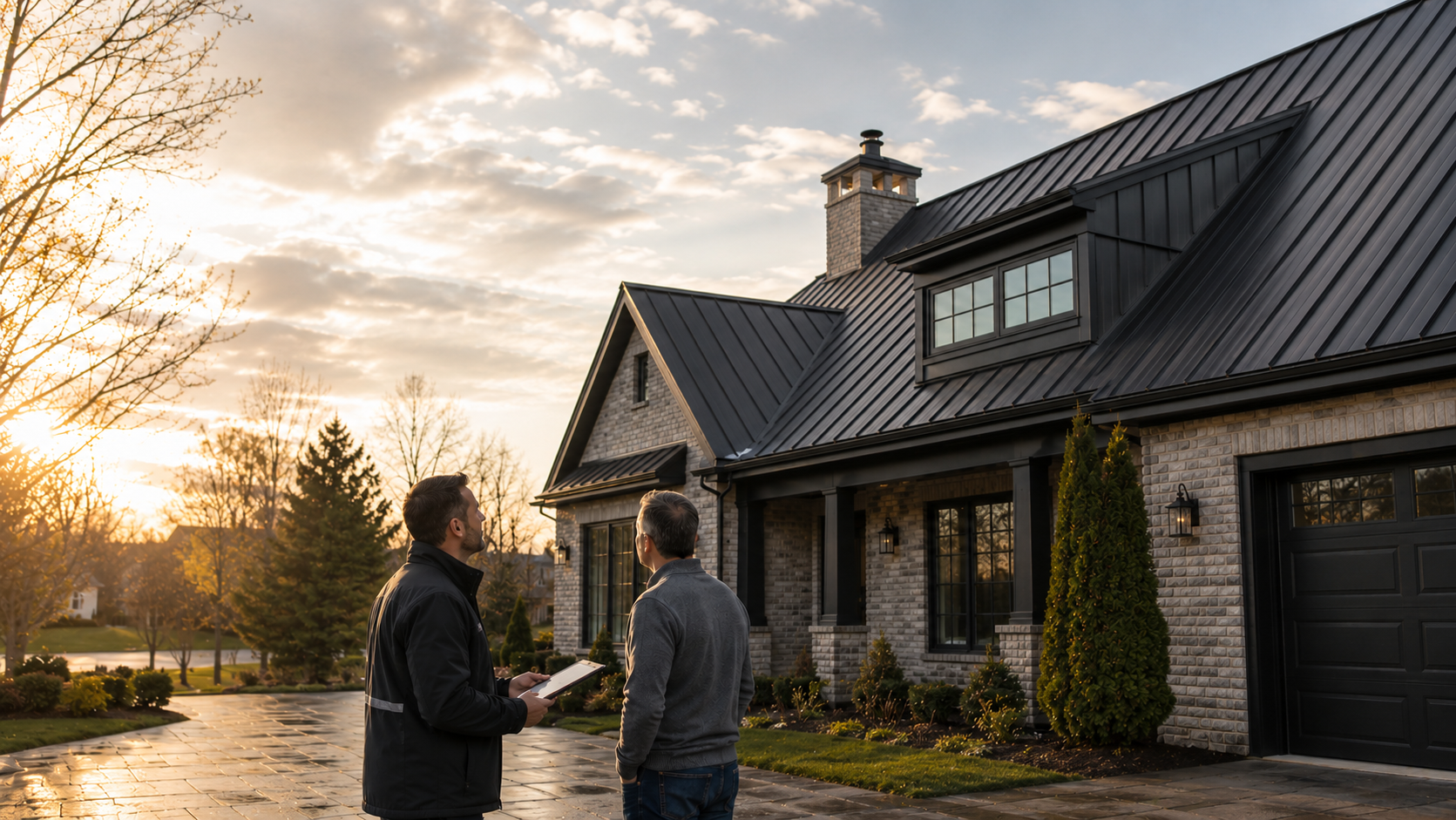
Metro Detroit Long Term Roof Replacement
Sterling Heights–based Heritage Metal Roofing on freeze-thaw wear, long-term planning, and the materials homeowners are choosing for the next roofing cycle.
STERLING HEIGHTS , MI, UNITED STATES, May 14, 2026 /EINPresswire.com/ -- After a demanding Michigan winter, more Metro Detroit homeowners are using spring roof evaluations to make longer-term decisions about replacement, durability, and the materials protecting their homes. The pattern is consistent across Sterling Heights, Macomb County, and the wider Greater Detroit Metro Area: homeowners coming out of the 2025–2026 freeze-thaw season are no longer asking whether to patch and wait, but how long the next roof should be expected to last. Heritage Metal Roofing, a Sterling Heights–based standing seam specialist, says that shift is shaping the conversations the company is having this season.
Few home exterior systems are tested by Michigan weather as consistently as the roof. The state's wider freeze-thaw range, with mid-winter melts followed by hard refreezes, drives water under shingles, lifts fastener heads, and repeatedly subjects roofing systems to mechanical stress. Lake-effect snow from Lake Erie and Lake St. Clair creates inconsistent loading patterns on roofs across Macomb, Oakland, and Wayne counties. Winters like 2025–2026, shaped by repeated thaw-refreeze cycles and several measurable snowfall events from late November through early spring, apply that stress over a longer window than typical seasons. For homes whose roofs are already in the second half of their service life, those months tend to surface weaknesses that were not visible the previous fall.
The questions Heritage is hearing this spring follow a familiar pattern. Some homeowners have noticed granule loss in their gutters or curling at the edges of asphalt shingles. A second group is simply looking at a roof installed 18 or 20 years ago and asking whether one more patch cycle is the right answer. Others are looking beyond immediate repairs and asking whether a planned replacement could reduce future maintenance costs, improve long-term performance, and provide greater confidence during Michigan's next weather cycle. For many homeowners, the conversation is not driven by panic. It is driven by planning. It usually begins with research: comparing materials, reading about lifespan and warranty terms, and weighing the cost of one premium replacement against two or three asphalt cycles over the same period.
Within those conversations, standing seam systems come up often. Standing seam is a metal roofing system built with continuous vertical panels and concealed fasteners, designed to handle thermal expansion without breaking down the way fastened or sealed systems can over time. The concealed-fastener design removes some of the most common long-term failure points found in exposed-fastener systems, where washers, screw heads, and small penetrations gradually wear through repeated thermal movement. Standing seam also sheds water and ice cleanly, has no individual shingles to crack or blow off, and is built for service lives that often run several decades when installed properly. For Michigan homes, the system's behavior in freeze-thaw conditions is a frequent reason homeowners consider it. Heritage Metal Roofing's standing seam metal roofing Michigan page explains panel construction, seam mechanics, and the long-term performance characteristics that distinguish standing seam from asphalt shingle systems.
What stands out this year, Heritage says, is the timeframe homeowners are using. More are asking how long they expect to stay in the home, what energy and insurance costs may look like over the next decade, and whether their next roof should be selected with a 15-year or 40-year horizon in mind. The comparison moves past price-per-square, and into the number of replacement cycles a homeowner expects to pay for over the time they own the property. For many homeowners, that shift in thinking is what moves standing seam from a niche option into a serious long-term consideration.
"Spring tends to bring the roof back into focus, but the questions we are hearing this year are different," said Justin, Owner of Heritage Metal Roofing. "Homeowners are not asking how to get a few more years out of a tired roof. They are asking what a roof should look like if they want it to be the last one they install. Standing seam keeps coming up because it is built for the conditions Michigan actually delivers, not the conditions a brochure assumes."
Heritage Metal Roofing recommends a few practical steps for homeowners thinking about a post-winter assessment. Walk the perimeter of the home and look up at the roof from several angles, not just one. Note any lifted or missing shingles, areas where the surface looks darker or patchier than the surrounding field, and any sagging along the ridge or eaves. Check gutters and downspouts for accumulated granules, which signal that the protective surface of asphalt shingles is breaking down. Inside the home, look for new stains on ceilings or in attic decking, especially around valleys, chimneys, vents, and skylights, where most roof leaks begin. Before requesting an inspection, gather what is known about the roof's age, prior repair history, and any warranty paperwork. Homeowners who are weighing a metal roof replacement should request more than one written estimate, ask each contractor how they handle flashing at penetrations and transitions, and confirm the proposed scope covers the condition of the decking, not only the surface material.
Heritage Metal Roofing is based at 42140 Van Dyke Avenue in Sterling Heights and works with homeowners across the Greater Detroit Metro Area, including Sterling Heights, Troy, Rochester Hills, Warren, and Macomb Township. The company specializes in residential standing seam installations, with additional work in repair and assessment for existing metal roofing systems. Installations are handled directly rather than subcontracted, which the company describes as a meaningful factor in standing seam quality, where panel layout, seam formation, and flashing at penetrations all influence long-term performance.
Among the metal roofing contractors in Metro Detroit, Heritage Metal Roofing positions itself as a specialist rather than a generalist. The company focuses specifically on metal roofing, with an emphasis on standing seam systems designed for long-term performance in Michigan's climate. That focus extends from the first conversation with a homeowner through panel selection, layout, and final installation. The conversations are built around clarity rather than pressure, and the goal is to help each homeowner reach a decision they understand rather than one they were rushed into. Homeowners interested in evaluating the condition of their current roof or reviewing replacement options can request a no-obligation inspection and written estimate through Heritage Metal Roofing.
Justin Kramer
Heritage Metal Roofing
Justin@heritagemetalroofing.com
Visit us on social media:
Facebook
Legal Disclaimer:
EIN Presswire provides this news content "as is" without warranty of any kind. We do not accept any responsibility or liability for the accuracy, content, images, videos, licenses, completeness, legality, or reliability of the information contained in this article. If you have any complaints or copyright issues related to this article, kindly contact the author above.
