

Choosing the Right Pendant Light: Practical Tips and Style Considerations
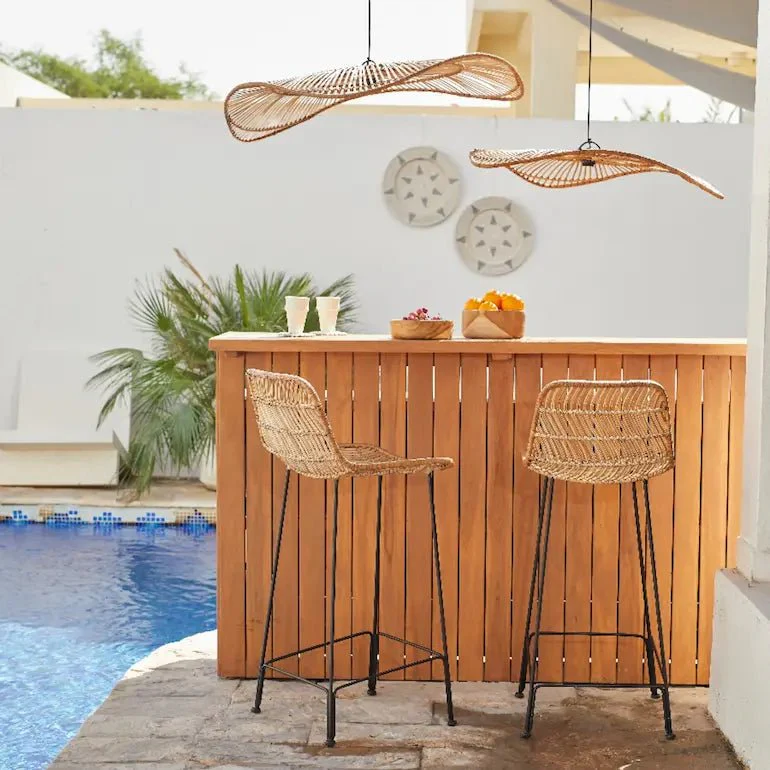
Hanging pendant lights above dining table in modern interior
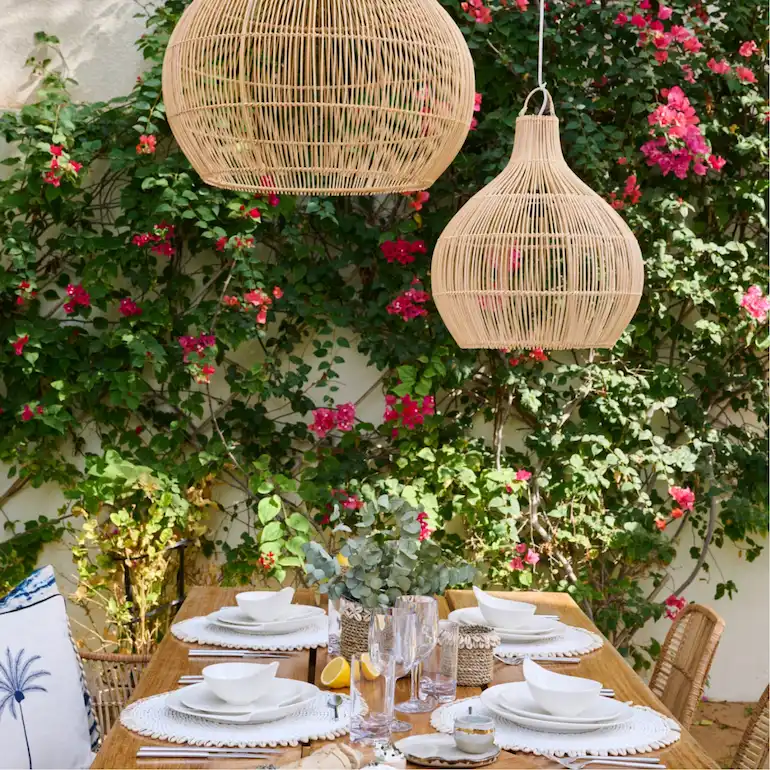
Modern pendant lights with minimalist geometric design
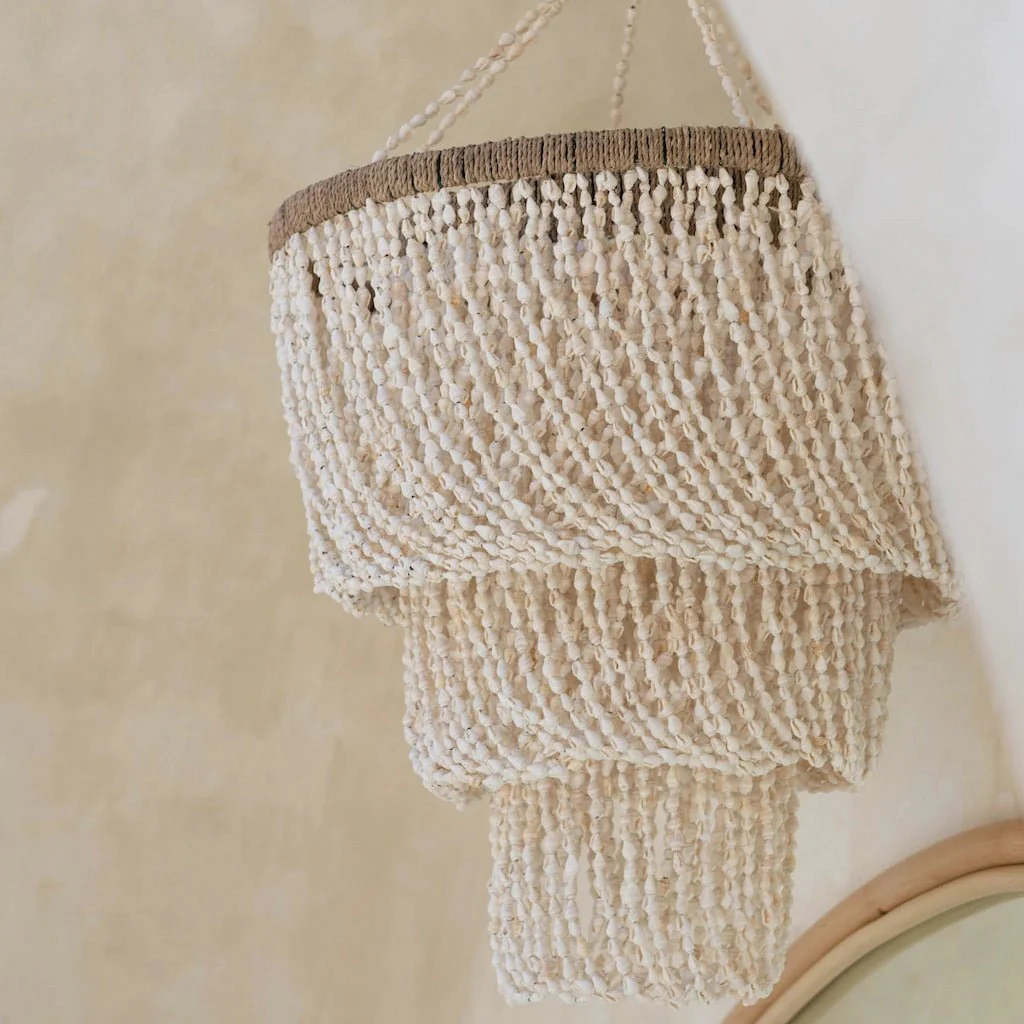
Hanging pendant lights with glass and metal shades
Choosing the Right Pendant Light: Best Styles and Practical Lighting Tips
DUBAI, AL MANARA, UNITED ARAB EMIRATES, December 25, 2025 /EINPresswire.com/ -- Lighting affects not only visibility but also how a space is perceived and used. Hanging pendant lights are widely used because they combine focused illumination with spatial definition. They are commonly placed above dining tables, kitchen islands, or seating areas, where both function and balance are important.Choosing a pendant light involves more than selecting a design. Factors such as room size, ceiling height, lighting purpose, and materials all influence the final result. Understanding these basics helps create lighting that feels appropriate rather than excessive or underwhelming.
Pendant Light Styles and Their Role
Modern pendant lights come in various styles, each suited to different tasks. Minimalist designs with simple shapes and clean lines provide directed light and work well in open-plan spaces. They are often used in kitchens or dining areas where clarity is important.
Industrial-style hanging pendant lights usually feature metal shades and exposed bulbs. These fixtures often act as accent lighting, adding structure and contrast to contemporary interiors.
Rustic and farmhouse-inspired designs use natural materials such as wood or woven fibers. They soften the light and create a relaxed atmosphere, making them suitable for dining rooms and living spaces.
Classic and vintage-inspired pendants rely on glass or metal detailing. They tend to provide ambient lighting and often serve as visual focal points rather than primary task lights.
Classic and Modern Shapes
Traditional forms such as domes, bells, and spheres remain popular due to their predictable light distribution. A dome-shaped pendant light directs illumination downward, which makes it practical above tables or kitchen work surfaces. Spherical fixtures spread light more evenly and support general lighting.
More contemporary designs focus on geometric or sculptural shapes. These are often chosen for their visual impact and work best when the pendant is meant to be a noticeable element of the interior.
Classic shapes are usually easier to integrate into different interiors, while modern forms are better suited to spaces where lighting is also part of the design statement.
Material and Light Quality
Materials affect both appearance and how light behaves. Glass is highly versatile: clear glass allows maximum brightness, while frosted glass reduces glare and creates softer light. Metal shades concentrate light in a specific direction, making them effective for task lighting.
Natural materials such as rattan or bamboo filter light and produce a warmer glow. These options are better suited to areas intended for relaxation rather than work.
Choosing the Right Size
Size plays a key role in how hanging pendant lights relate to the space around them. A common guideline for central lighting is to add the room’s length and width (in meters) and convert the result into centimeters to estimate the fixture’s diameter.
Above tables, the pendant should be smaller than the surface below it. Ideally, the fixture’s diameter should be 30–40 cm less than the table width. This helps maintain visual balance and adequate illumination.
Kitchen islands often benefit from multiple pendants rather than a single large one. Several smaller fixtures provide more even lighting and a more structured look.
Placement and Hanging Height
Correct hanging height improves both comfort and function. Above dining tables, the bottom of the pendant should generally be 75–85 cm above the tabletop. This provides good visibility without blocking sightlines.
Above kitchen islands, a height of around 80–90 cm from the surface is practical. In open living areas, the lowest point of a pendant should be at least 2.1–2.2 meters from the floor unless it is positioned above furniture.
When using multiple pendants, spacing them evenly is important. A distance of 60–80 cm between fixtures usually works well and prevents visual clutter.
Bulbs, Brightness, and Color Temperature
LED bulbs are the most practical choice for modern pendant lights due to their energy efficiency and long lifespan. They also offer a wide range of color temperatures.
Warm white light (2700–3000K) creates a comfortable, relaxed atmosphere and is suitable for living rooms and dining areas. Neutral white light (3500–4000K) works better in kitchens and workspaces where clarity is needed.
Brightness is measured in lumens. For pendant lighting above kitchen islands, around 500–700 lumens per fixture is usually sufficient when multiple lights are used.
Creating a Balanced Lighting Scheme
Pendant lights are most effective when combined with other light sources. General lighting provides overall brightness, task lighting supports specific activities, and accent lighting adds depth.
Hanging pendant lights help define zones and improve functionality when chosen with attention to size, height, and light quality. A practical pendant light guide focuses on how lighting supports daily activities rather than purely decorative impact, resulting in a space that feels balanced and comfortable to use.
Carol Sukkar
Home and Soul Furniture Trading LLC
+971 56 112 1444
email us here
Visit us on social media:
LinkedIn
Instagram
Facebook
X
Legal Disclaimer:
EIN Presswire provides this news content "as is" without warranty of any kind. We do not accept any responsibility or liability for the accuracy, content, images, videos, licenses, completeness, legality, or reliability of the information contained in this article. If you have any complaints or copyright issues related to this article, kindly contact the author above.
