

Harbin SHS Animal Rescue Confronts Dog Meat Market as Local Activists Join Fight
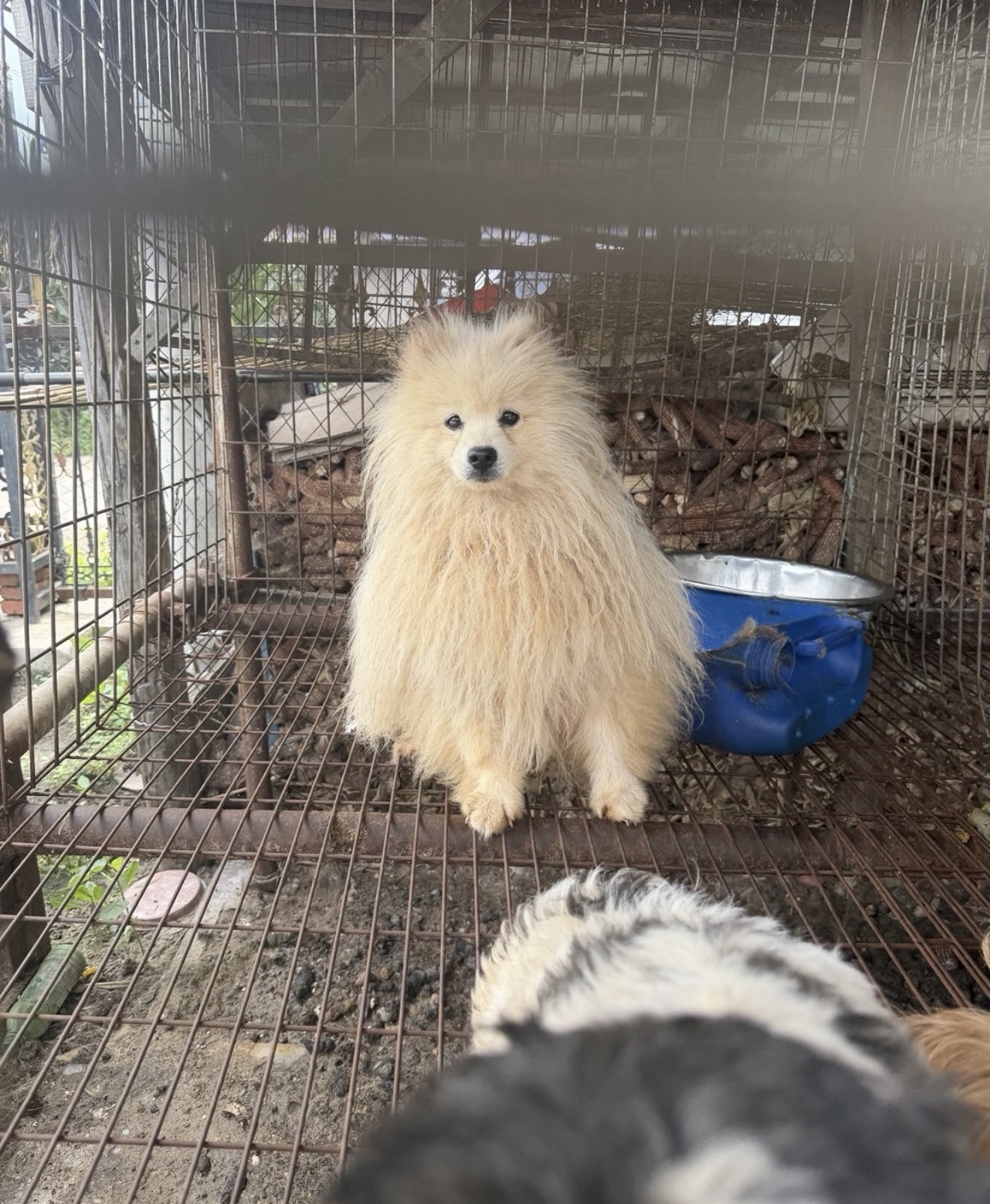
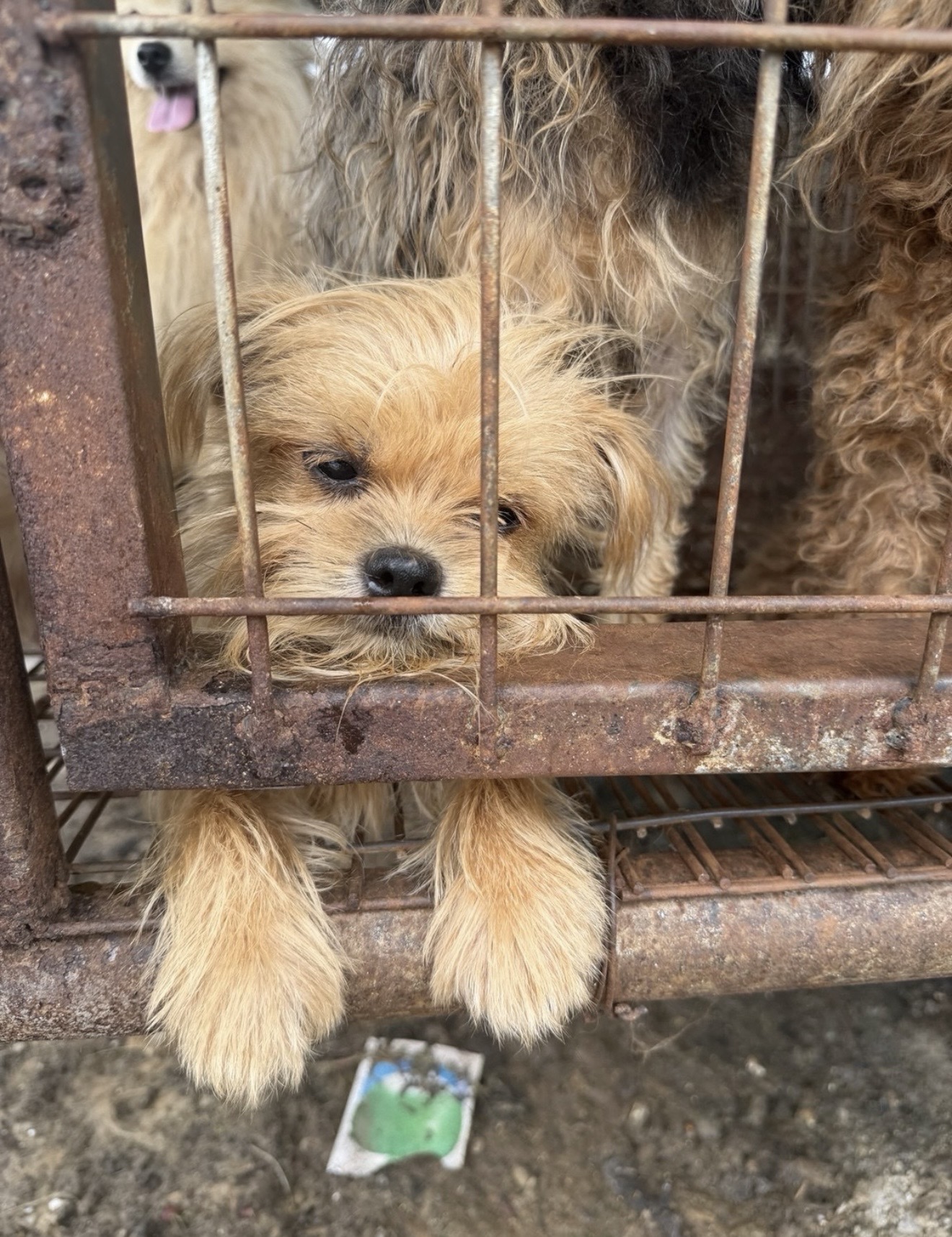
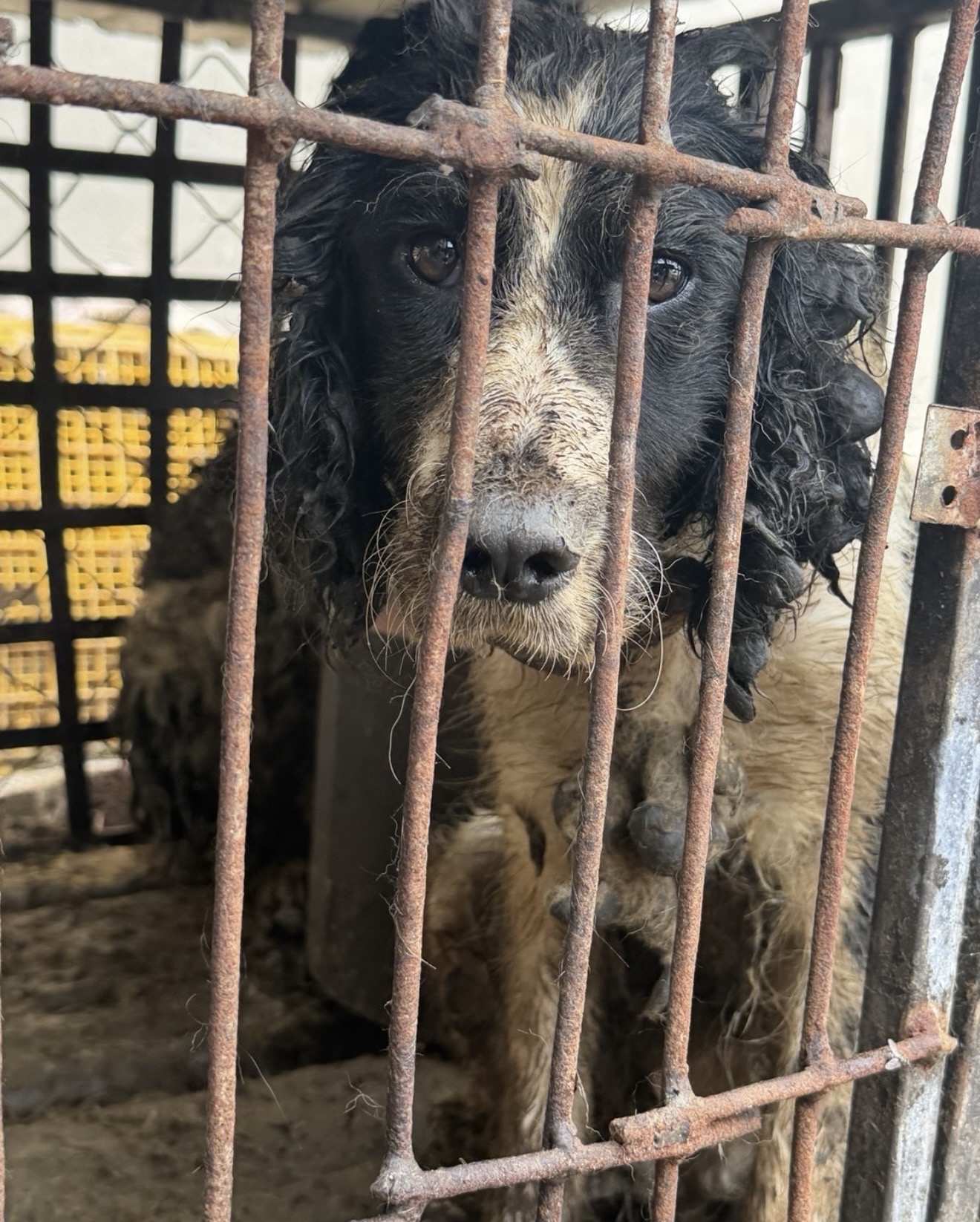
Rescuers in Harbin document dog trading, push authorities for enforcement and care for more than 1,500 rescued dogs.
If they move, we will look for them. If they return next Tuesday, we will return next Tuesday. We will keep showing up.”
HARBIN, HEILONGJIANG, CHINA, September 4, 2026 /EINPresswire.com/ -- Harbin SHS Animal Rescue, a U.S.-registered 501(c)(3) nonprofit operating in northeastern China, is intensifying its efforts to document dog trading, work with local authorities and rescue animals at risk as growing numbers of Chinese citizens join local animal welfare efforts.— Hayley Hayes, Founder, Harbin SHS Animal Rescue
The organization currently cares for approximately 1,500 dogs and more than 200 other rescued animals in Harbin. Its work ranges from emergency rescue and veterinary treatment to long-term rehabilitation and international adoption.
In recent weeks, however, members of the Harbin SHS team have also been returning every Tuesday to a local dog market.
Their aim is no longer simply to rescue dogs after the damage has been done.
They want to prevent it.
A DOG MARKET THAT KEEPS MOVING
This Tuesday, Harbin SHS team members Summer and Sarah arrived at the market to find representatives from three government departments already at the location.
But the dog traders and trucks were gone.
Instead of leaving, Summer and Sarah searched the surrounding area.
Approximately 30 minutes later, they located traders operating from another location and contacted government representatives, who then attended the new site.
According to Harbin SHS staff who were present, officials requested documentation from traders. When some traders were unable to provide the requested documentation, they were told to leave.
For Harbin SHS, moving the activity from one place to another does not address the underlying problem.
“We are grateful when government departments respond and attend,” said Hayley Hayes, founder of Harbin SHS Animal Rescue. “But our concern is what happens next. If traders simply move and continue somewhere else, the animals remain in exactly the same situation.”
The rescue says its team intends to continue returning to the market, documenting what it sees and reporting concerns to the appropriate authorities.
“If they move, we will look for them,” Hayes said. “If they return next Tuesday, we will return next Tuesday. We will keep showing up.”
FOUR NEW FACES
One of the most encouraging developments this week had nothing to do with the traders.
Four young Chinese adults joined the Harbin SHS team at the market after seeing what the organization and local activists had been doing.
They hope to return — and bring more people with them.
For Hayes, that moment represented something much bigger.
“People sometimes look at Harbin SHS and assume this is foreigners coming into China and telling people what to do. That couldn’t be further from the reality,” Hayes said.
“Our staff are Chinese. The activists standing at these markets are Chinese. The people making phone calls, documenting what is happening and pushing for change are Chinese. And now we’re seeing more young people wanting to stand beside them.”
Harbin SHS believes sustainable improvements in animal welfare must ultimately involve communities within China.
The organization says increased public discussion surrounding animal cruelty during 2026 has also exposed more people to issues they may previously have known little about.
FROM A HANDFUL OF DOGS TO APPROXIMATELY 1,500
Harbin SHS Animal Rescue began in 2016 when a small group of women in Harbin became involved in rescuing dogs from the slaughter trade.
What started with a handful of animals developed into a rescue operation caring for approximately 1,500 dogs today.
More than 200 additional animals are also under the organization’s care, including cats, farm animals and other species.
Animals arrive for many different reasons.
Some have been abandoned.
Some are former pets.
Others have suffered neglect, abuse or exploitation. Some have come from breeding operations, markets or situations connected to the dog meat trade.
Many arrive requiring immediate veterinary care.
Rescue, however, is only the first step.
“Picking up a dog is the beginning of our responsibility, not the end of it,” Hayes said.
“After the cameras are gone, that animal still needs food tomorrow. It may need surgery. It may need months of medical treatment or behavioural rehabilitation. Some dogs need us for the rest of their lives.”
THE REALITY BEHIND LARGE-SCALE RESCUE
Operating a safehouse of this size requires food, veterinary treatment, staff, utilities, quarantine facilities and transportation every day of the year.
Harbin SHS employs a local team responsible for the daily welfare of the animals, alongside veterinary and support staff.
Dogs that are medically and behaviourally ready may eventually be adopted internationally.
Others remain permanent residents because of age, disability, chronic medical conditions or behavioural needs that make adoption unsuitable.
The organization also maintains a policy against routinely purchasing dogs from meat traders.
Harbin SHS believes repeatedly paying traders for animals risks creating a financial incentive for the trade to continue.
Instead, the rescue increasingly focuses on documentation, intervention, cooperation with Chinese animal advocates and engagement with government departments.
“We cannot buy our way out of the dog meat trade,” Hayes said. “There will always be another dog behind the one you purchase. We have to address why these animals are there in the first place.”
RESCUE AND PREVENTION
After a decade of rescue work, Harbin SHS says its mission is increasingly about preventing animals from reaching the safehouse at all.
That means continuing traditional rescue work while also documenting markets, reporting welfare concerns and encouraging greater participation from local communities.
The organization does not expect change to happen overnight.
But four new volunteers standing beside its team at a dog market this Tuesday represented progress.
“Of course we will continue rescuing animals,” Hayes said. “But the dream isn’t to build bigger and bigger shelters forever.”
“The dream is to reach a point where fewer animals need rescuing in the first place.”
Next Tuesday, Harbin SHS plans to return to the market.
“We would be delighted to arrive one morning and find there is nothing left for us to document,” Hayes said.
“Until then, we’ll keep turning up.”
ABOUT HARBIN SHS ANIMAL RESCUE
Harbin SHS Animal Rescue is a U.S.-registered 501(c)(3) nonprofit animal rescue organization operating in Harbin, China.
Founded in 2016, the organization rescues, rehabilitates and rehomes animals affected by abandonment, neglect, abuse and exploitation, including dogs affected by the dog meat trade.
Harbin SHS currently provides care for approximately 1,500 dogs and more than 200 other rescued animals.
Hayley Hayes
Harbin SHS Animal Rescue
support@harbinshs.com
Visit us on social media:
Instagram
Legal Disclaimer:
EIN Presswire provides this news content "as is" without warranty of any kind. We do not accept any responsibility or liability for the accuracy, content, images, videos, licenses, completeness, legality, or reliability of the information contained in this article. If you have any complaints or copyright issues related to this article, kindly contact the author above.
